Bar NYC Hotspots That Define the City’s Energy
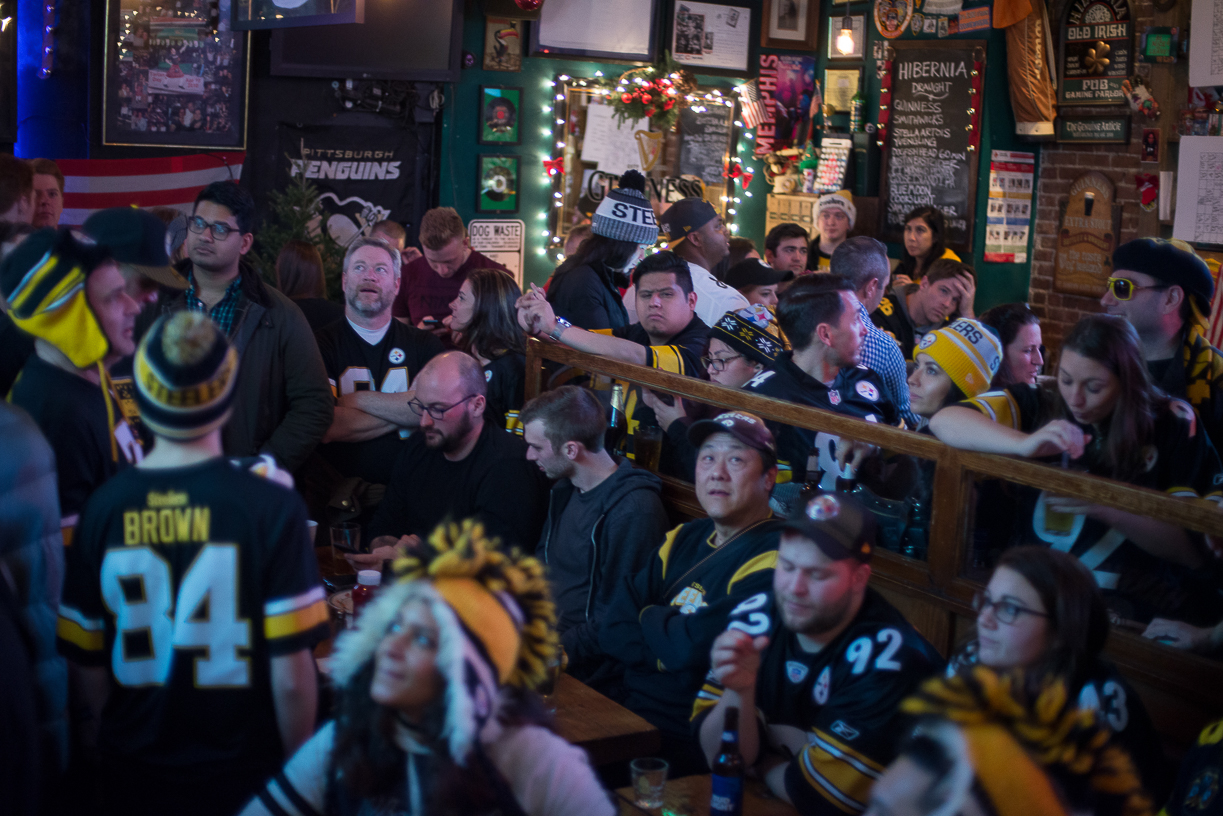
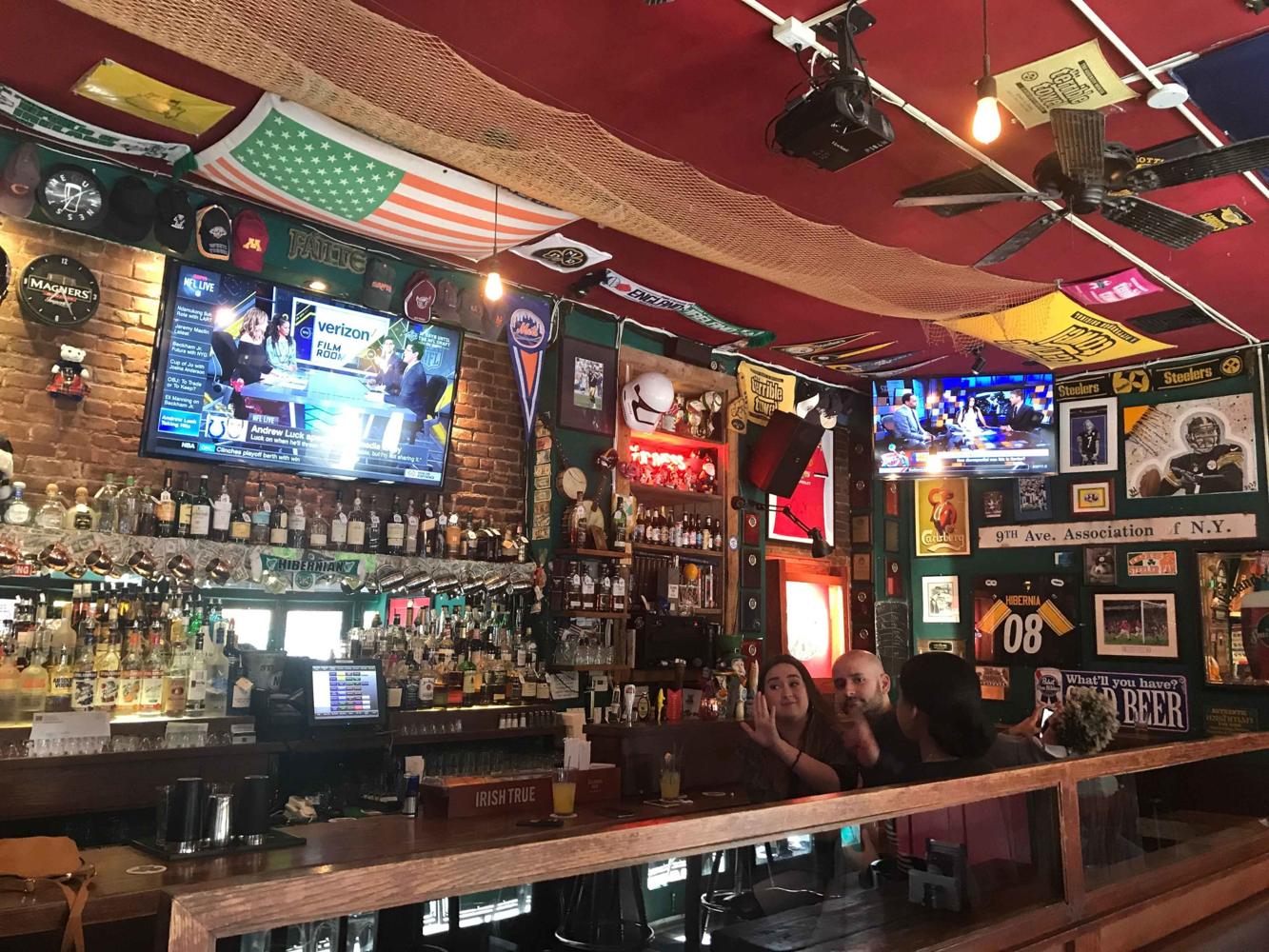
New York has never been short on places to drink. That is not what makes its bar scene important. What matters is the way a good bar in this city gathers people from different worlds, compresses them into one room, and lets the night decide what happens next. A financier leaning against the same marble counter as an off-duty line cook. Two friends from Queens meeting a date from Brooklyn somewhere below Houston. A couple in town for one anniversary drink finding themselves three neighborhoods away at 1:30 a.m. Because someone at the first spot swore they had to try one more place.
That fluidity is what gives Bar NYC its pull. The city’s best drinking destinations do not just pour great martinis or keep a deep whiskey shelf. They capture tempo. They mirror the block outside while also bending it. Some bars feel like private clubs without the exclusion. Others hum with enough electricity to make a Tuesday feel like a holiday weekend. The strongest among them become landmarks, not because they are famous, but because they understand what New York demands from a night out: speed, quality, personality, and just enough unpredictability.
The city reveals itself after 6 p.m.
Spend enough evenings moving through Manhattan, Brooklyn, and Queens, and a pattern emerges. New York changes character by the hour. At 5:30 p.m., the Financial District still belongs to office workers loosening ties and refreshing group chats. By 8 p.m., the Lower East Side starts to fill with people who have every intention of staying out late, whether or not they admitted that to themselves earlier. In the West Village, the sidewalks slow down just enough for romance to seem plausible. In Williamsburg, a casual first round often mutates into dinner, another bar, and one final stop with louder music than anyone planned for.
The phrase Bar NYC often gets used as if it describes one coherent category. It does not. New York bars work because they are deeply local. A compact East Village cocktail room and a sprawling Williamsburg natural wine bar may both be excellent, but they answer entirely different needs. One is built for focus, maybe even a little seduction. The other is built for drift, conversation, and the possibility that your table doubles in size over the course of the evening.
That is why the city’s true hotspots are not always the places with the loudest publicity. They are the places that understand the choreography of their neighborhood. They know when to move quickly and when to let a guest linger. They know whether the room wants low light and restraint or music with enough pulse to reset the mood after a punishing day.
What separates a hotspot from a merely good bar
A very good bar can still feel anonymous. It serves balanced drinks, hires competent staff, and gets the details right. That is enough for a strong reputation. A hotspot has to do something harder. It has to generate momentum.
Momentum in a New York bar comes from a combination of factors that are obvious when present and glaring when absent. The room has to feel alive without tipping into chaos. The music needs intent. Not just volume, intent. Lighting matters more than many owners admit. Too bright and everyone looks tired. Too dark and the menu turns into a trust exercise. The staff has to read people quickly. In New York, a bartender who can distinguish between someone who wants a fast round before dinner and someone settling in for a full evening is worth more than any designer banquette.
There is also the matter of timing. Some bars are best between 6 and 8 p.m., when the city still carries some daylight and the first drink hits with relief. Others bloom after 11 p.m., when the room is less about precision and more about shared appetite. If you visit a place at the wrong hour, you can leave wondering what the fuss was about. That happens often in New York. It is not always the bar’s fault. This city is brutally sensitive to context.
A bartender in Soho once put it perfectly during a quiet early shift. He said, “People think they’re judging a bar, but half the time they’re judging the hour.” He was right. Great hotspots understand their own clock.
Manhattan’s classic charge
Manhattan still delivers the purest version of the New York bar fantasy. Not because it is trend-proof, but because so many of its bars operate inside layers of memory. You walk into certain Midtown lounges, Flatiron cocktail bars, or old-school Village rooms and feel a continuity that newer scenes often chase but rarely duplicate. Brass rails, worn wood, servers who move as if they have been dodging crowded stools for twenty years. Even the flaws can feel earned.
The best Manhattan hotspots thrive on compression. Space is expensive, often awkward, and seldom generous. Yet some of the city’s most memorable bars use those constraints to their advantage. A narrow room forces intimacy. A standing crowd near the entrance creates a sense of demand. Seats become currency. The bar itself becomes a stage, and every pour feels slightly theatrical.
This is especially true in neighborhoods like the West Village and the Lower East Side, where bars often serve as extensions of the street. The door swings open constantly. Cold air in winter, humidity in summer, cigarette smoke from the sidewalk, perfume, laughter, snippets of argument, all of it entering and leaving with the crowd. That permeability is part of the experience. A sealed, perfectly controlled room would feel wrong.
At the Bar NYC high end, Manhattan’s best cocktail bars remain formidable because they know restraint. The strongest martini bars do not overexplain themselves. They offer cold glassware, disciplined technique, and the confidence to let simplicity carry the evening. There is a reason certain bar seats in Tribeca or NoMad remain hard to claim even when trends move elsewhere. Competence never goes out of style, especially in a city where people can taste the difference.
Brooklyn’s social gravity
If Manhattan often feels like a performance, Brooklyn usually feels like an invitation. The borough’s most compelling bar neighborhoods, particularly Williamsburg, Greenpoint, Fort Greene, and parts of Bushwick, build energy through social sprawl. People come earlier, stay longer, and move in wider circles. A single venue might contain a first date at one end, a birthday at the center, and three industry friends debriefing service near the back.
Brooklyn’s rise as a nightlife force was never just about cheaper rent or larger rooms, though both helped. It was about a shift in what people wanted from going out. Guests began to value bars where they could spend real time without feeling pressured to order at luxury pricing every twenty minutes. They wanted places where food was credible, wine lists were thoughtful without being precious, and the dress code existed only as a form of common sense.
That approach gave rise to a different kind of hotspot. Not the room with the velvet rope, but the one where every table fills by 8 p.m. Because people know the vibe is dependable. Dependable, in this case, is not a faint compliment. In New York, a dependable room is gold. It means the playlist is usually right, the service is warm but unsentimental, and there is enough quality across the menu that no one feels trapped into one signature order.
Many of the best Brooklyn bars also understand pacing better than almost anyone. They give a group room to settle. You can order a round, split a plate, adjust, and keep going. That flexibility matters. Some Manhattan bars still behave as if every guest is rushing to a second reservation. Brooklyn often acts as if the bar itself is the point of the night.
Queens and the pleasure of specificity
Queens does not always dominate glossy nightlife coverage, but that says more about media habits than bar quality. Astoria, Long Island City, Jackson Heights, and Ridgewood all offer a version of New York drinking culture that rewards curiosity over status seeking. These neighborhoods prove that a hotspot does not need a famous doorman or a downtown address to shape the city’s energy.
The best bars in Queens tend to be sharply defined. They know what they are, and they do not chase every trend. A beer-focused spot with immaculate draft maintenance. A cocktail bar that treats hospitality as seriously as technique. A neighborhood tavern with a polished kitchen and just enough edge in the room to keep it from becoming sleepy. That clarity creates loyalty, and loyalty in New York is hard won.
Astoria in particular has long understood the social architecture of the neighborhood bar. Large friend groups, post-work regulars, families out earlier in the evening, and later crowds arriving after dinner all need to coexist. Bars that pull this off earn something more durable than buzz. They become civic spaces in miniature.
Long Island City has evolved differently, shaped by rapid development and an influx of residents who want immediate access to Manhattan without giving up a local after-hours scene. The bars that stand out there often blend polish with ease. They are aware of rising expectations, but they do not let design flatten personality. A beautiful room means very little if nobody wants a second round.
Hotel bars and why they still matter
It is easy to dismiss hotel bars as convenient rather than essential, but that misses their role in New York. A great hotel bar is one of the city’s most efficient social machines. Travelers, locals, business meetings, solo Bar NYC drinkers, celebratory groups, all entering with different expectations and somehow sharing a room. When the formula works, the crosscurrent is unmatched.
The strongest hotel bars in New York avoid two common mistakes. First, they do not act as if they are exempt from neighborhood standards. New Yorkers will not return to a bar simply because the lobby is expensive. Second, they resist becoming too generic in pursuit of broad appeal. A hotel bar should feel accessible, yes, but never bland.
Some of the city’s enduring hotel bar hotspots succeed because they offer a kind of neutral glamour. They are ideal for the moments that require flexibility. You are meeting someone whose habits you do not yet know. You need a place where one person can order Champagne and another can get a clean, serious old fashioned without anyone feeling out of place. You need staff who can accommodate a quick drink or a three-hour conversation. Few formats handle that better.
For visitors trying to understand Bar NYC at a high level, hotel bars can be useful starting points. They provide a stable baseline before the city’s more idiosyncratic corners pull you elsewhere.
The cocktail bar, the dive, and the room in between
New York loves categories, then spends half its energy breaking them. Nowhere is that clearer than in its bars. The city still supports purist cocktail dens where every cube of ice seems to have a pedigree. It still protects dives where the beer is cold, the pours are blunt, and the charm comes from wear rather than design. But increasingly, the places that define the city’s current energy live between those poles.
The modern hotspot often borrows from both traditions. It may have a drinks program sophisticated enough to satisfy industry people, yet present it without ceremony. It may keep the music up, the service brisk, and the pricing just moderate enough to encourage a second or third round. These bars understand that guests want quality without homework.
That middle ground is difficult to execute. If a bar leans too far toward craft, it risks stiffness. If it leans too far toward casual, it can feel careless. The sweet spot is a room where a well-made drink arrives quickly, the bartender can answer a smart question without launching into a lecture, and nobody senses that they are being judged for ordering what they actually enjoy.
This shift has helped redefine what a hotspot looks like in the city. Not necessarily the room with the longest wait, but the one with the broadest range. A couple on a date can sit beside a group finishing dinner, while two regulars close out on beers and a server from another restaurant slides in for one precise cocktail before heading home. That mixed ecology is very New York.
The economics behind the mood
Energy is expensive. That sounds flippant, but it is true. Every appealing detail in a successful New York bar sits on top of hard math. Rent, labor, licensing, refrigeration, glassware loss, insurance, maintenance, late-night staffing, food cost if there is a kitchen, all of it pushes owners toward difficult choices. The best hotspots make those trade-offs nearly invisible.
A room that feels easy often involves tremendous effort behind the scenes. Fast service requires training and staffing depth. Consistent cocktails require systems. A good music program takes more than letting someone plug in a phone. Even crowd flow, where people stand, how they queue for the restroom, whether the entrance jams when a large reservation lands, has to be managed.
This is one reason many beloved bars eventually change, sometimes subtly, sometimes beyond recognition. Prices rise. Menus shrink. Happy hour disappears. Reservations expand. A standing-room area becomes table service because the numbers demand it. Patrons often read these moves as a loss of soul. Sometimes they are right. Sometimes the alternative is closure.
New York’s bar scene has always lived under pressure, but the bars that still manage to project generosity under those conditions deserve respect. It is not easy to make guests feel relaxed in a business where margins are tight and nights can swing wildly based on weather, transit issues, or one nearby event pulling a crowd elsewhere.
How locals choose where the night starts
People unfamiliar with New York sometimes assume locals chase novelty every weekend. Some do, especially in neighborhoods where openings arrive at a relentless pace. But many experienced drinkers in the city make choices with a more practical logic. They ask simpler questions. How loud will it be at 7:30 p.m.? Can four people actually get in without chaos? Is the bar food substantial enough to buy time? Will one friend who hates mezcal and another who only drinks wine both find something worth ordering?
The answer to those questions determines whether a place becomes part of regular rotation. Hype gets people through the door once. Function gets them back.
There is also the matter of geography, which shapes New York nightlife more than outsiders expect. A great bar can still be the wrong choice if it strands half the group on a punishing subway route home. This is why neighborhood anchors matter so much. People may dream of one ideal destination, but on a rainy Thursday they often choose the excellent option within a fifteen-minute radius.
That practical streak does not diminish the romance of the city’s bar culture. It actually explains its durability. New Yorkers want places that deliver under real conditions. Cold weather, crowded trains, shifting plans, delayed arrivals, uncertain appetites. The bars that thrive do not require perfect circumstances.
What visitors often get wrong
Visitors frequently approach Bar NYC as a checklist problem. They want the famous rooftop, the hidden speakeasy, the old tavern, the natural wine place everyone tagged last month. There is nothing wrong with ambition, but stacking too many “musts” into one evening usually produces more transit than pleasure.
A better approach is to commit to one zone and let the night breathe. The city rewards depth more than coverage. Two good bars and a late meal in the East Village will usually tell you more about New York than five rushed drinks spread across three boroughs. The same goes for Williamsburg or the West Village. The energy you came for is not only in the venues themselves. It is in the walk between them, the crowded corner, the impromptu change of plans, the spillover from one room to the next.
Another mistake is overvaluing exclusivity. Some hard-to-enter bars are excellent. Others are simply difficult. The city’s best nights often happen in places without mythology attached, where the host is sharp, the bartenders know their pace, and the room fills naturally. New York respects quality, but it does not require a password.
Hotspots change, the appetite stays the same
Every few years, someone announces that New York has lost its edge, become too expensive, too polished, too curated to produce the kind of spontaneous nightlife it once did. There is always some truth buried in that complaint. Certain corners are cleaner. Certain bars feel more market-tested than they did a decade ago. Reservations have colonized spaces that once ran on pure walk-in serendipity.
And yet, step into a packed room downtown at the right hour, or a buzzing neighborhood bar in Brooklyn where the windows fog over in winter, or an Astoria spot balancing regulars and newcomers with grace, and the old argument dissolves. The city still knows how to gather itself around a counter and make the evening feel open-ended.
That is the enduring power of Bar NYC. Not just the drinks, not just the aesthetics, but the shared charge. The sensation that the city is thinking on its feet, and that for a couple of hours you are inside that thought. A real hotspot captures that feeling and gives it shape. It does not need to explain itself. You feel it in the room, in the quick glance between strangers, in the second round that arrives before anyone says they are staying, in the fact that outside the night is moving fast and somehow, inside, you are exactly where you should be.
Hibernia Bar
401 W 50th St
New York, NY 10019
(212) 969-9703
FAQ About Bar NYC
What is there to do in Hell's Kitchen, NYC?
Explore the restaurants and bars along Ninth Avenue, catch a Broadway show nearby, or visit the Intrepid Museum on the Hudson River. Hibernia Bar is at West 50th Street and Ninth Avenue, a convenient stop before or after a show.
What are some bars in New York City that serve good food?
Hibernia Bar in Hell's Kitchen serves wings, burgers, fish and chips, and shepherd's pie. Its kitchen lists a 2 a.m. closing time, which makes it an option for dinner after a show or a game.
How far is Hell's Kitchen from Times Square?
Hell's Kitchen is just west of Times Square. From Broadway and West 45th Street, Hibernia Bar is roughly 0.6 miles away, or about a 12-minute walk depending on crowds.